Waist Drum Dance
Introduction
The Waist Drum Dance is a traditional Chinese folk dance that holds a significant place in both cultural and ceremonial contexts, often associated with various festivals and celebrations across China. Characterized by its vibrant and energetic movements, the dance involves performers wearing drums around their waists, which they strike rhythmically while executing choreographed steps and gestures.
Origins and Cultural Significance
The Waist Drum Dance is believed to have originated in the Loess Plateau in northern China, particularly in Shaanxi province, where it has been performed for centuries. It is often associated with the farming communities of the region, where it was originally performed as a form of celebration for good harvests and as part of religious and cultural festivities.
Traditionally, the Waist Drum Dance was performed during the Chinese New Year and other significant seasonal celebrations, such as the Lantern Festival, to bring luck and prosperity. The dance has deep roots in Chinese rural traditions and reflects the agricultural heritage and communal spirit of the people.
Performance and Technique
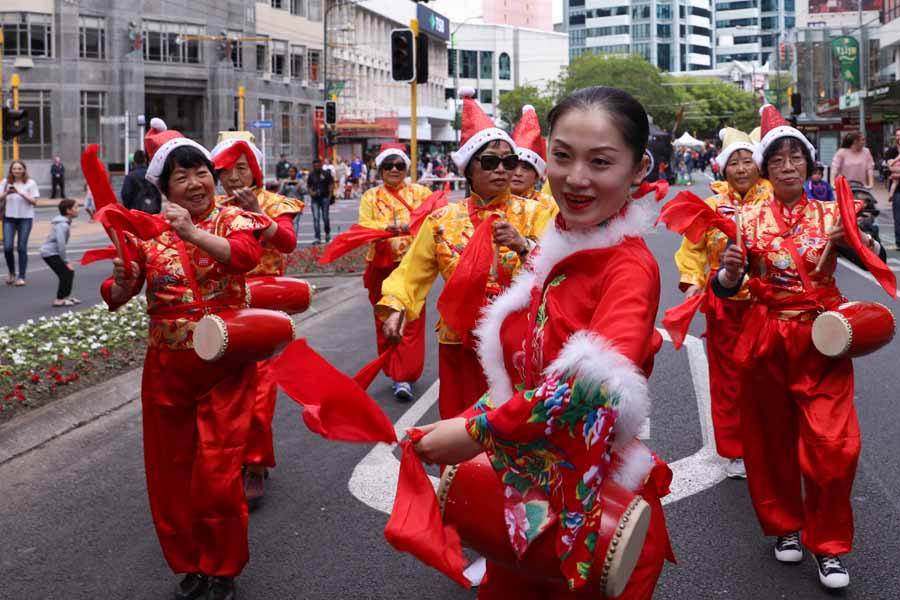
The dance is known for its vigorous and lively movements, which include a combination of drumming jumping, and rhythmic stomping. Performers typically wear brightly colored costumes, often red, symbolizing good fortune and happiness. The waist drums, which are small and cylindrical, are secured around the dancers' waists with a belt, allowing them to use both hands to beat the drums while dancing.
The choreography of the Waist Drum Dance involves various formations and synchronized movements, creating a dynamic and visually striking performance. The drumming patterns are an integral part of the dance, providing a pulsating rhythm that enhances the overall energy and excitement of the performance.
Modern Adaptations
In contemporary times, the Waist Drum Dance has evolved and been adapted for various occasions beyond its traditional agricultural and festival roots. It is now commonly featured in cultural presentations, national celebrations and international cultural exchanges, showcasing China's rich folk heritage to a global audience.
The dance has also been incorporated into modern performances, blending with contemporary music and dance styles. These adaptations have helped to preserve the tradition while also making it accessible and appealing to younger generations.
Symbolism and Cultural Legacy
The Waist Drum Dance embodies the resilience, optimism and communal spirit of the Chinese people. It serves as a symbolic expression of their connection to the land and the cyclical nature of life and seasons. The dance is not only a celebration of cultural identity but also a means of preserving and passing down traditions to future generations.
By engaging in this vibrant and energetic form of expression, communities reinforce their cultural heritage and foster a sense of unity and pride. The Waist Drum Dance remains a cherished cultural treasure, celebrated for its historical significance, artistic expression and the joy it brings to both performers and audiences alike.








